Amateur speculators (and some professionals too!) often take pride in their willingness to "listen to the market". This usually means that they have some collection of technical indicators which provides information about the direction of the market's trend. The consensus of this collection of indicators then "tells" them whether to be long or short.
People who speculate in this way are usually "
trend followers". In other words, they buy only after the market has gone up for a while and they sell only after the market has gone down for a while. There are a (very ) few individuals who have made substantial fortunes as trend followers. But the majority of trend followers has only losses to show for all its analytical effort.
I think trend following is a
bad idea. People who do it generally end up as the
yo-yo at the end of the market's string. They too often sell near the bottom and buy near the top and are soon out of business.
A better approach is to try to estimate the length of the market's string (to continue the yo-yo metaphor). In other words, try to estimate whether current prices are high or low relative to some idea of a normal price range. If you can do this you can begin to trade futures and stocks like you buy food, clothes, cars, computers etc.
I'm sure you like to take advantage of
bargains and sales. You know how big a discount is normal and that discounts are usually available for only a limited time. You like to buy at a discount and defer purchases if things seem overpriced. On the other hand, the logic of trend following would require you to pass up these discounts and wait for the sale to end before buying! Not a good way to extend the purchasing power of your budget!
Identifying a
normal discount or premium is the whole purpose of my
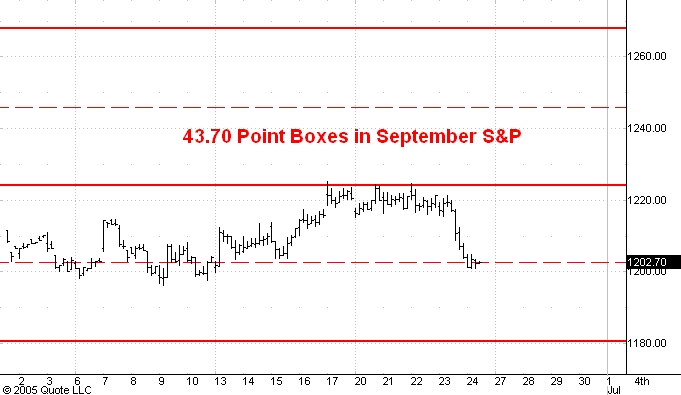
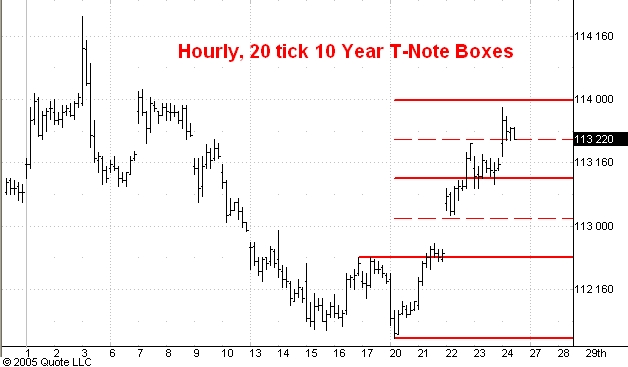
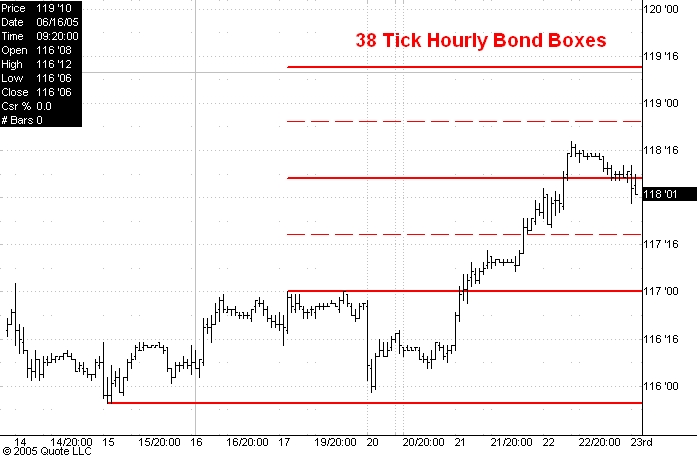
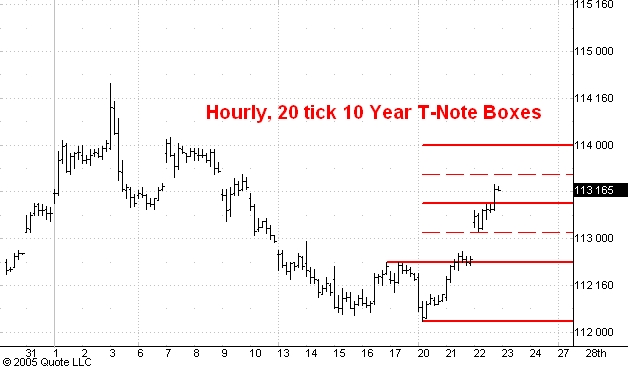
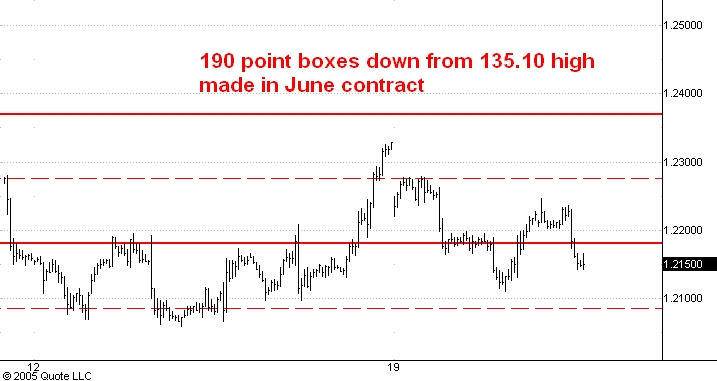
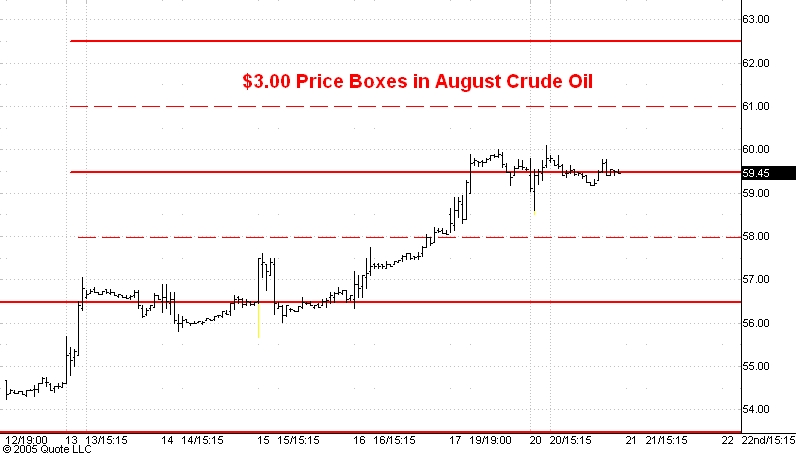
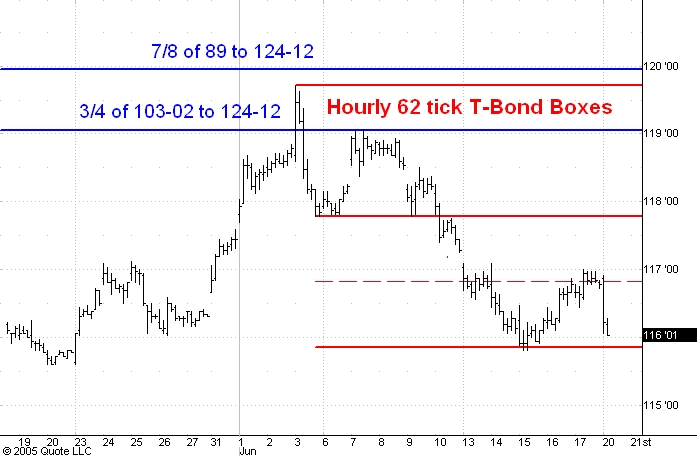
box theory and of the technique for
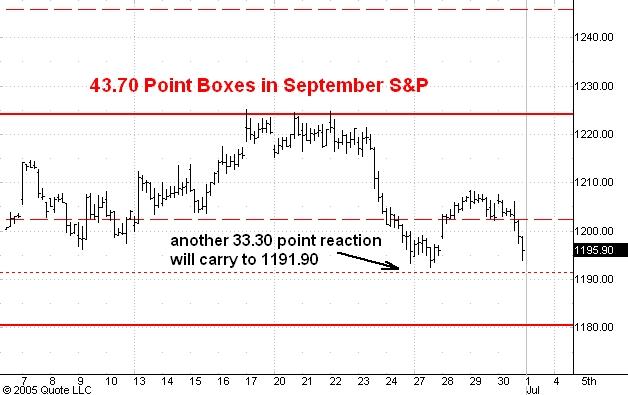
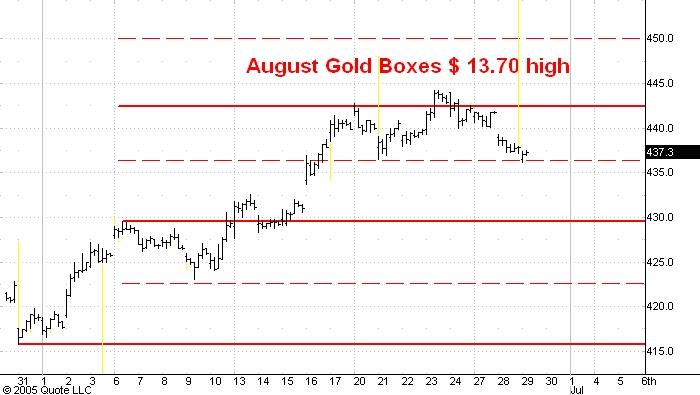
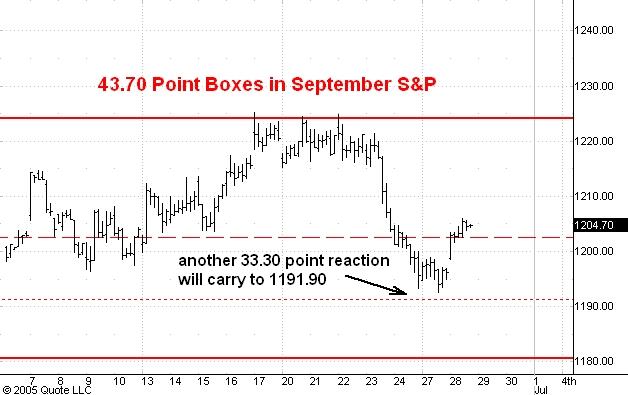
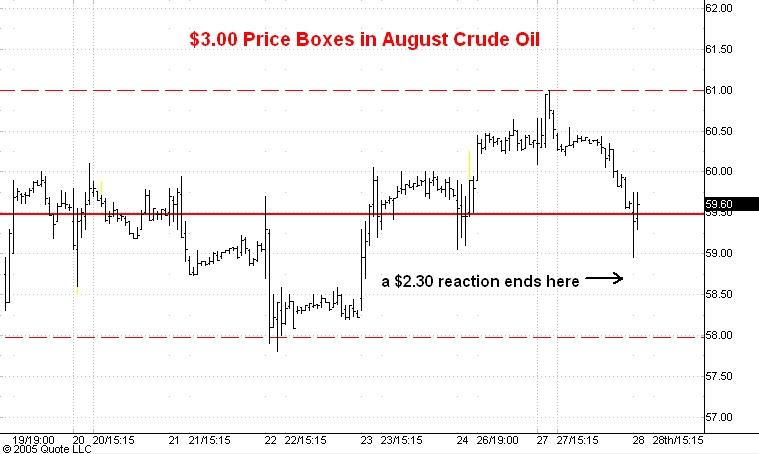
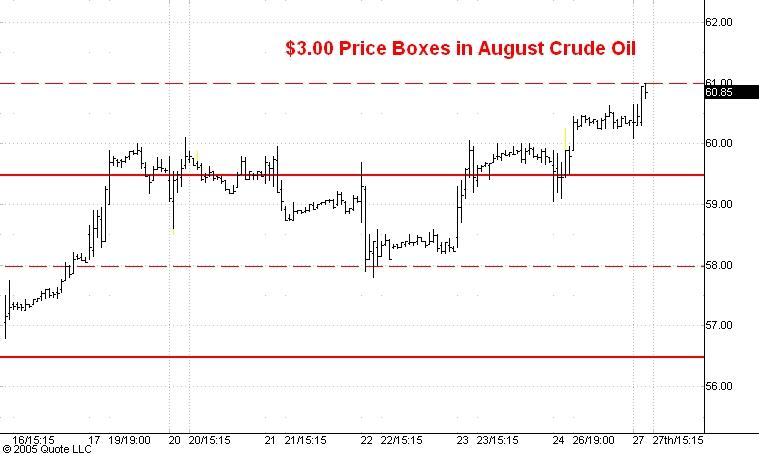
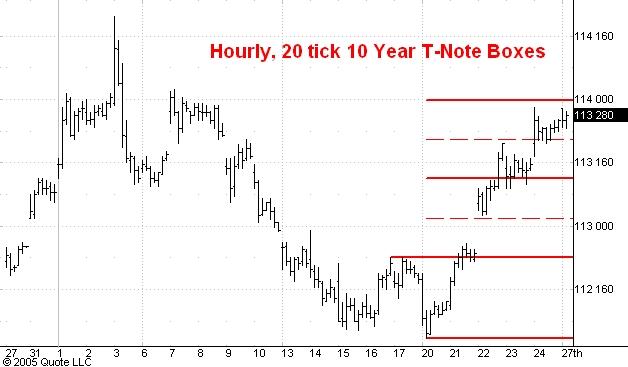
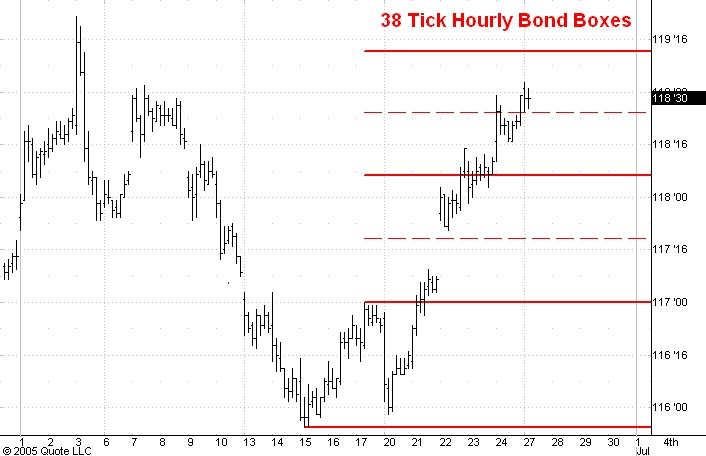
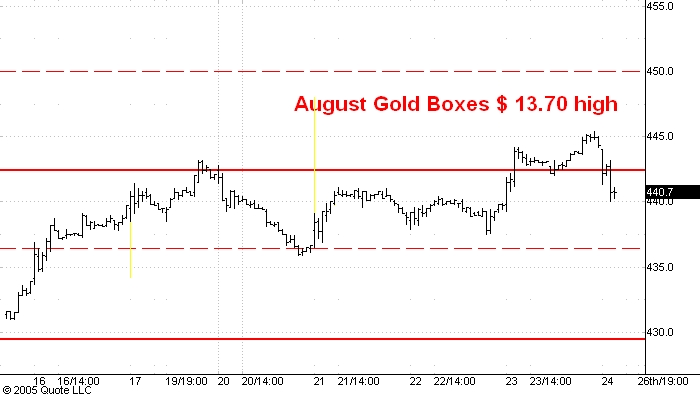
dividing historical ranges that I illustrate on this blog. These methods help identify support and resistance levels. A market is on sale when it is trading near a support level after an extended drop and is at a premium (or too high) when it is trading near resistance after an extended advance.
When you buy near support after a break or sell near resistance after a rally you are "
taking a stand". You are telling everyone that you think the market is under priced or over priced. You are telling other speculators that you think they have made a mistake by driving the market too low or too high. This is a valuable contribution to the price discovery process. You also improve market liquidity by taking the opposite side of the market from overeager sellers or buyers. These are
valuable economic services that are
not provided by trend followers.
So I say you should learn how to take a stand at support or resistance levels. If you provide a real economic service to the market you can expect the market to compensate you for your efforts.